"Barbecue Postcards" is a series of small-scale oil paintings derived from American lynching photography–specifically lynching postcards distributed throughout America during the 19th and 20th centuries. The name of this series is derived from a sentence inscribed–presumably by the sender–on the back of a lynching postcard from the early 20th century, stating, “This is the barbecue we had last night”.
These paintings aim to destabilize our ability to look away from painful histories. This work examines the relationship between privilege and proximity, emphasizing how one's distance from painful histories influences one's engagement with them, and how one perceives the influence of the past on the present. Simultaneously, it explores censorship and utilizes the grid to distort and provoke discomfort rather than construct accuracy. Subverting the traditional function of small paintings–to draw the viewer closer to the work–the paintings compel viewers to step back for clarity, metaphorically underscoring the privilege of ignoring uncomfortable truths and difficult histories often afforded to white Americans. In a society where American history confronts us all, these works urge viewers to consider that “even as these scenes recede into the past, they should continue to tax our sense of who we are and who we have been” (Leon F. Litwack, Without Sanctuary).
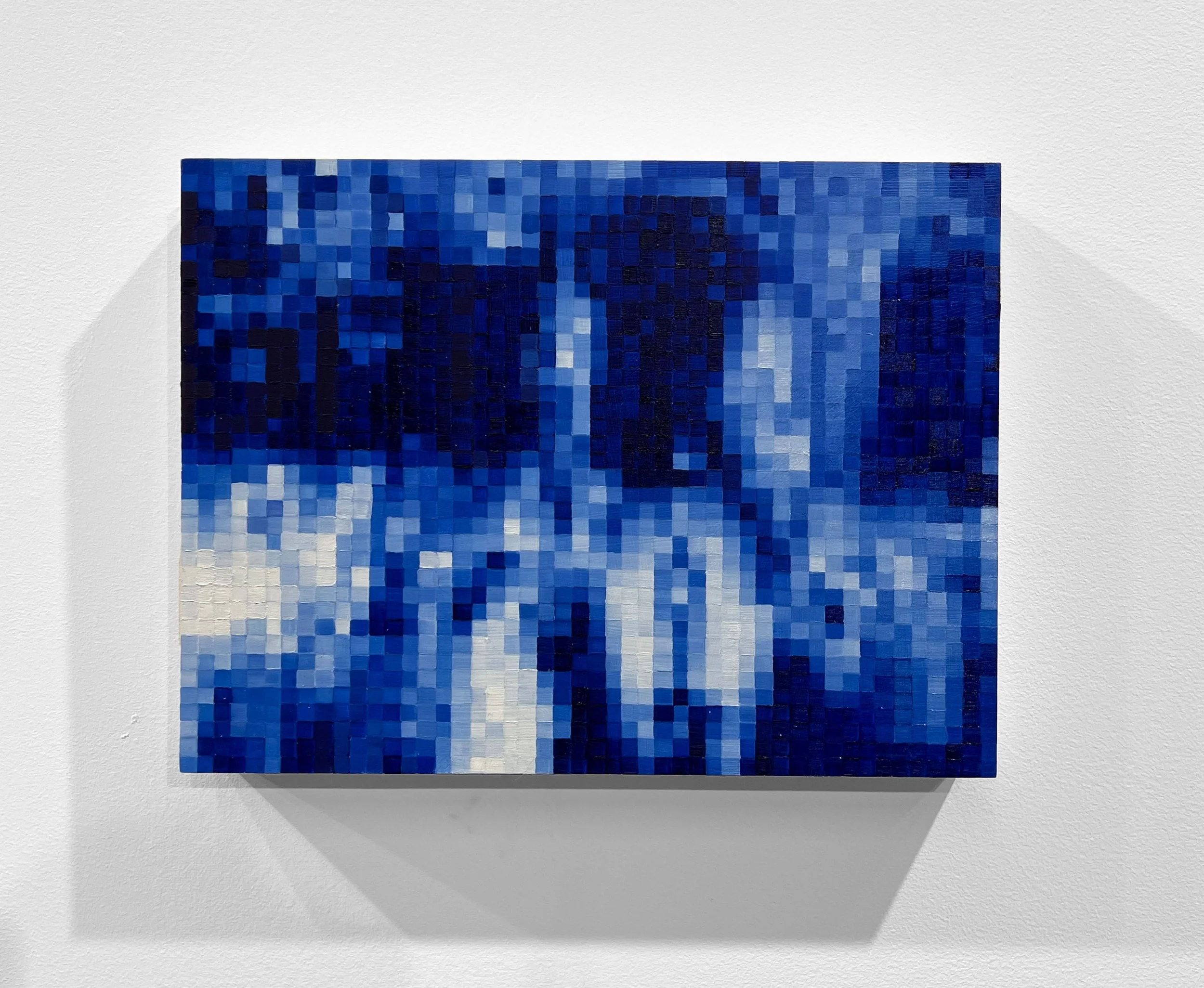
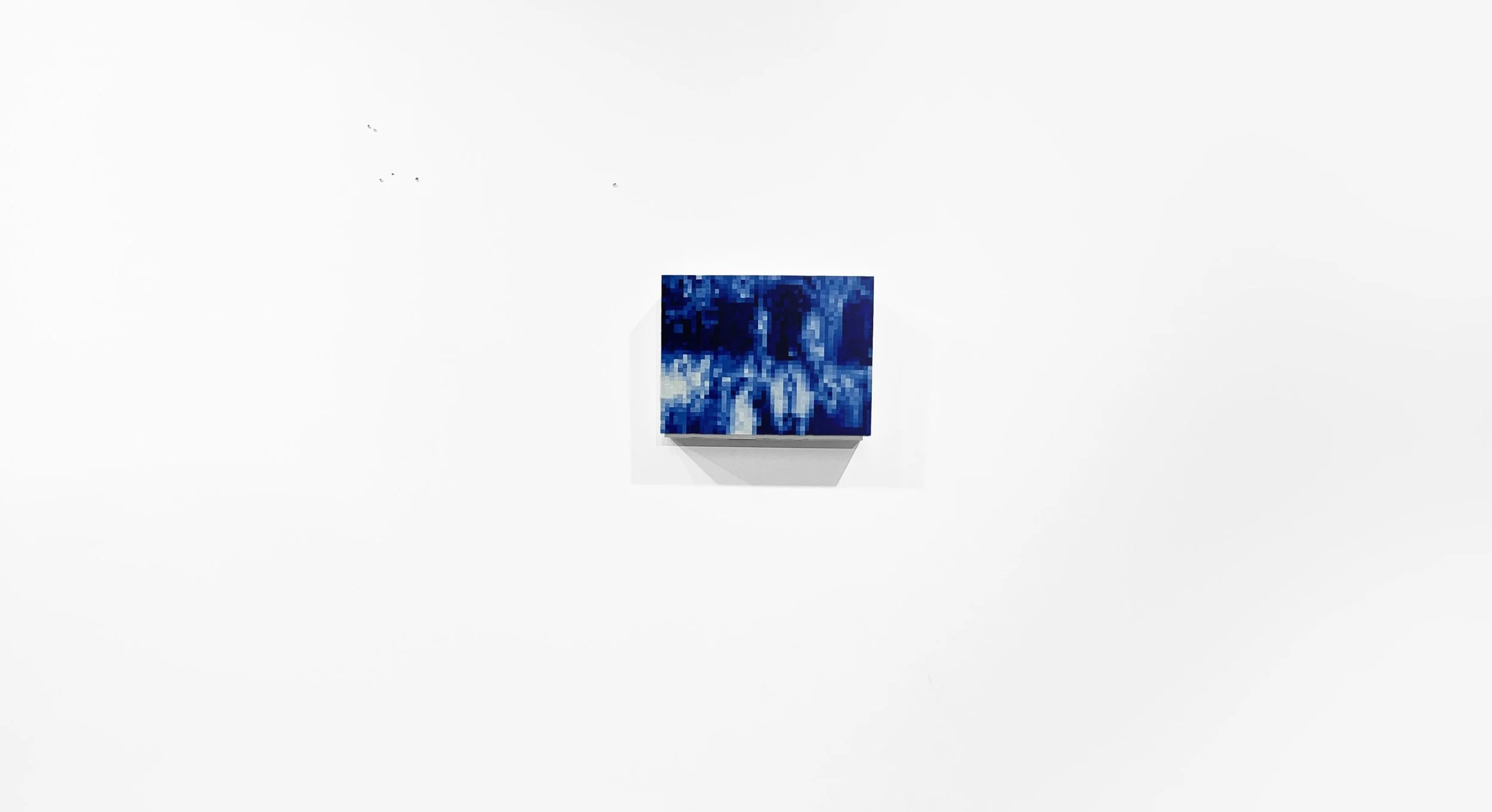
Barbecue Postcard (Thomas Shipp and Abram Smith, Marion, Indiana. 1930), 2023, oil on panel, 12 × 9 inches.
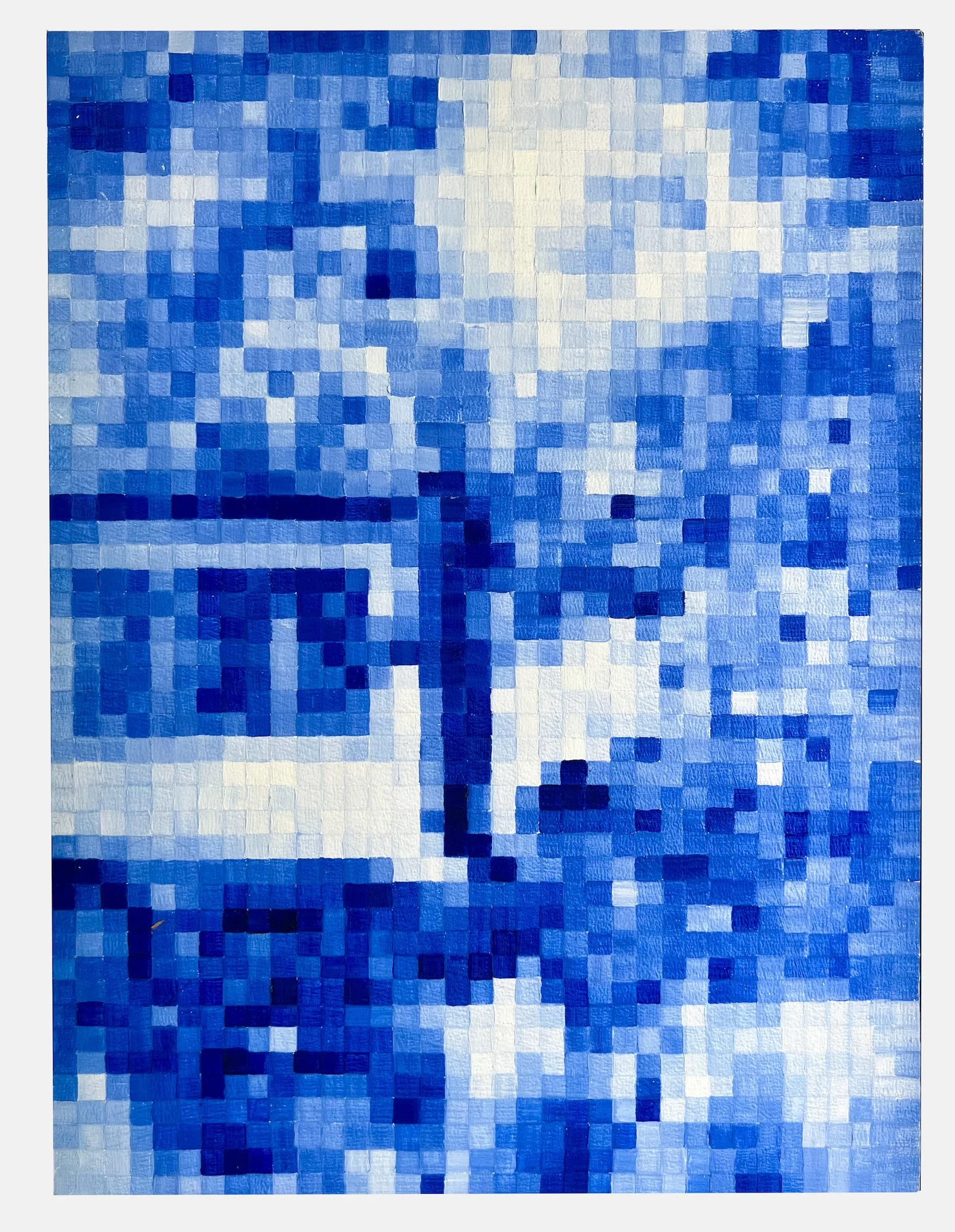
Barbecue Postcard (Lige Daniels, Shelby County, Texas, 1920), 2023, oil on panel, 9 × 12 inches
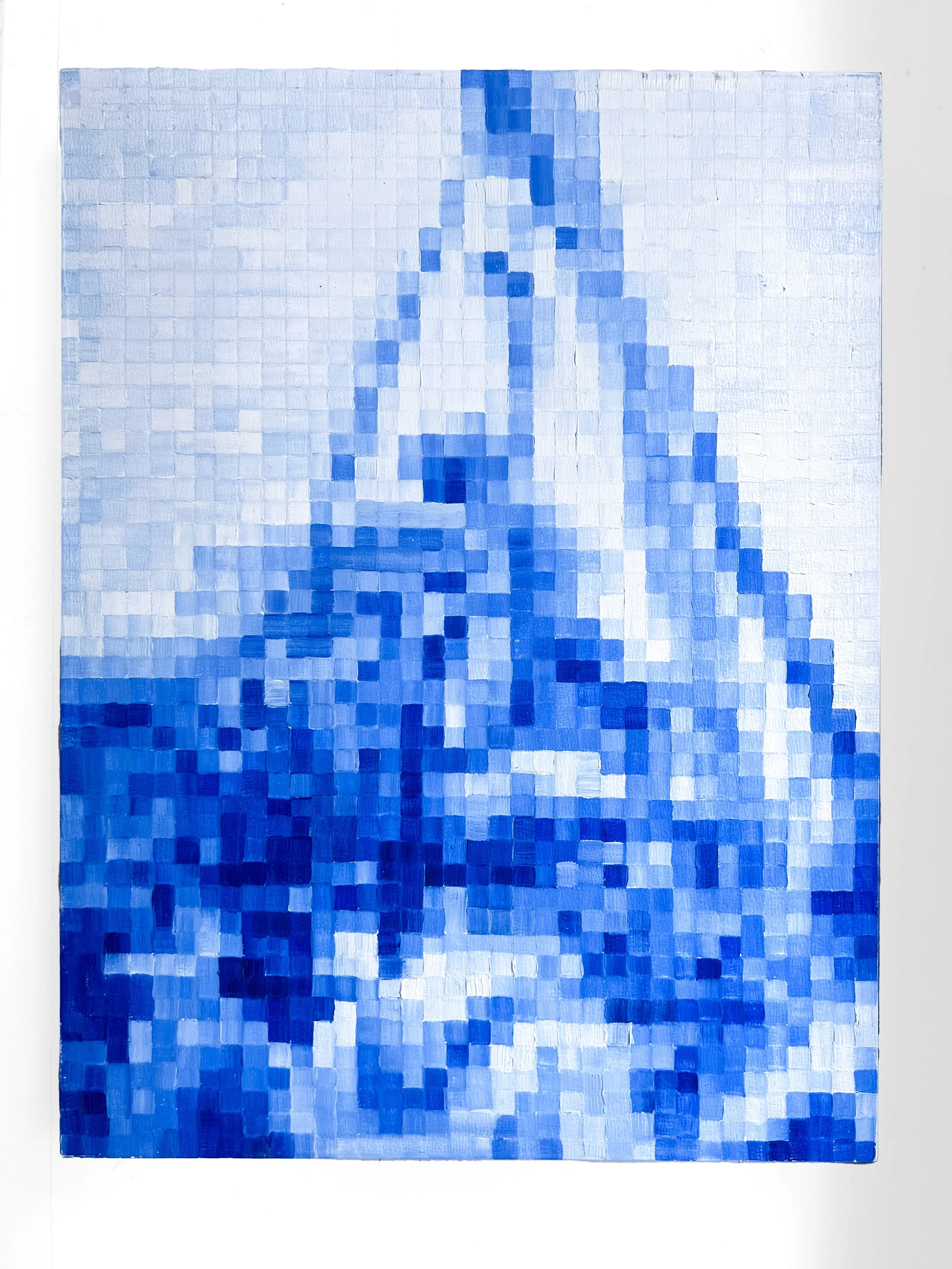
Barbecue Postcard (St. Louis, Missouri, 1900), oil on panel, 2023, 9 × 12 inches